

Commercial real estate remains one of the most powerful vehicles for building generational wealth. For women and investors of color, Indianapolis presents a unique opportunity in 2026. The city’s growing economy, affordable entry points, and diverse property types: office, retail, and multifamily: create pathways that didn’t exist a decade ago.
The wealth gap persists. Real estate ownership has historically been a key driver of that disparity. Changing that narrative requires action, education, and the right strategy.
This guide breaks down five steps that work right now in the Indianapolis commercial real estate market.
Understanding the Indianapolis Advantage
Indianapolis offers what many larger metros cannot: accessibility. The cost per square foot for office, retail, and multifamily properties remains competitive compared to coastal markets. Job growth continues steadily. Population trends favor the Midwest.
For first-time investors, this translates to lower barriers to entry and stronger cash flow potential. The city’s diverse neighborhoods: from downtown office corridors to suburban retail centers: provide options across risk profiles and investment goals.

Step 1: Assess Your Financial Foundation
Every successful investment starts with an honest financial assessment. Before evaluating properties, evaluate yourself.
Key metrics to review:
- Credit score: Directly impacts loan terms and approval. Aim for 680 or higher for conventional commercial financing.
- Debt-to-income ratio: Lenders scrutinize this carefully. Lower ratios signal stronger borrowing capacity.
- Available capital: Account for down payment (typically 20-25% for commercial), closing costs, and reserves.
- Cash flow capacity: Determine how much monthly carrying cost fits within current finances.
Commercial real estate requires more upfront capital than residential investing. However, multifamily and smaller retail properties in Indianapolis can offer entry points that work for first-time investors with moderate savings.
If credit needs improvement, address it now. Six months of focused effort can shift loan terms significantly.
Action item: Request credit reports from all three bureaus. Calculate debt-to-income ratio. Document liquid assets available for investment.
Step 2: Learn the Indianapolis Commercial Market
Market knowledge separates successful investors from those who struggle. Indianapolis commercial real estate operates differently across property types.
Office Properties
Downtown Indianapolis and suburban office parks offer different risk-reward profiles. Class B and C office buildings present opportunities for value-add strategies: properties that need updates but sit in solid locations. Remote work trends have shifted demand, creating negotiating leverage for buyers.
Key office corridors: Downtown Mile Square, Keystone at the Crossing, Carmel City Center.
Retail Properties
Neighborhood retail remains resilient. Strip centers anchored by essential services: grocery, medical, fitness: perform consistently. Indianapolis suburbs continue expanding, creating demand for retail serving new residential developments.
Focus areas: Fishers, Greenwood, Avon, and emerging corridors along I-465.
Multifamily Properties
Multifamily represents the most accessible commercial asset class for first-time investors. Duplexes, triplexes, and small apartment buildings (5-20 units) offer cash flow with manageable complexity. Indianapolis rental demand remains strong, particularly in workforce housing segments.
High-demand neighborhoods: Fountain Square, Broad Ripple, Irvington, and near major employers like Eli Lilly and Salesforce.

Action item: Spend time in target neighborhoods. Drive the streets. Note vacancy rates, tenant mix, and property conditions. Research recent sales in each area.
For deeper market insights, explore guides and tools designed specifically for Indianapolis investors.
Step 3: Secure Financing Early
Financing structures commercial deals. Understanding options before identifying properties prevents missed opportunities.
Conventional Commercial Loans
Traditional bank financing requires strong credit, substantial down payment, and documented income. Terms typically run 5-10 years with 20-25 year amortization. Rates in early 2026 hover in the low-to-mid 6% range.
DSCR Loans (Debt Service Coverage Ratio)
DSCR loans focus on property income rather than personal income. Ideal for investors with strong property cash flow but non-traditional employment. The property must generate enough rent to cover debt payments at a specified ratio (typically 1.2x or higher).
SBA Loans
Small Business Administration loans offer favorable terms for owner-occupied commercial properties. If planning to operate a business from the property, SBA 504 or 7(a) loans provide lower down payments and longer terms.
Creative Financing
Seller financing, partnerships, and syndication expand possibilities for investors with limited capital. Learn more about creative financing strategies that work in today’s market.
Action item: Meet with at least two commercial lenders. Get pre-qualified. Understand exactly what documentation each requires and what loan products fit your profile.

Step 4: Select Your Property Type and Strategy
Alignment between property type, investment strategy, and personal capacity determines outcomes.
For Passive Income Focus: Multifamily
Small multifamily properties (2-10 units) generate consistent monthly cash flow. Professional property management handles day-to-day operations. Indianapolis workforce housing rents remain stable with low vacancy rates.
Typical returns: 6-10% cash-on-cash in well-located Indianapolis neighborhoods.
For Value Creation: Office and Retail
Value-add strategies: purchasing underperforming properties, making strategic improvements, increasing rents: build equity faster. Office and retail properties with below-market rents or deferred maintenance offer upside.
This approach requires more active involvement and capital reserves for improvements.
For Long-Term Appreciation: Emerging Corridors
Properties along developing Indianapolis corridors offer appreciation potential. Areas near planned infrastructure, new employers, or redevelopment zones may trade at lower prices today with significant upside.
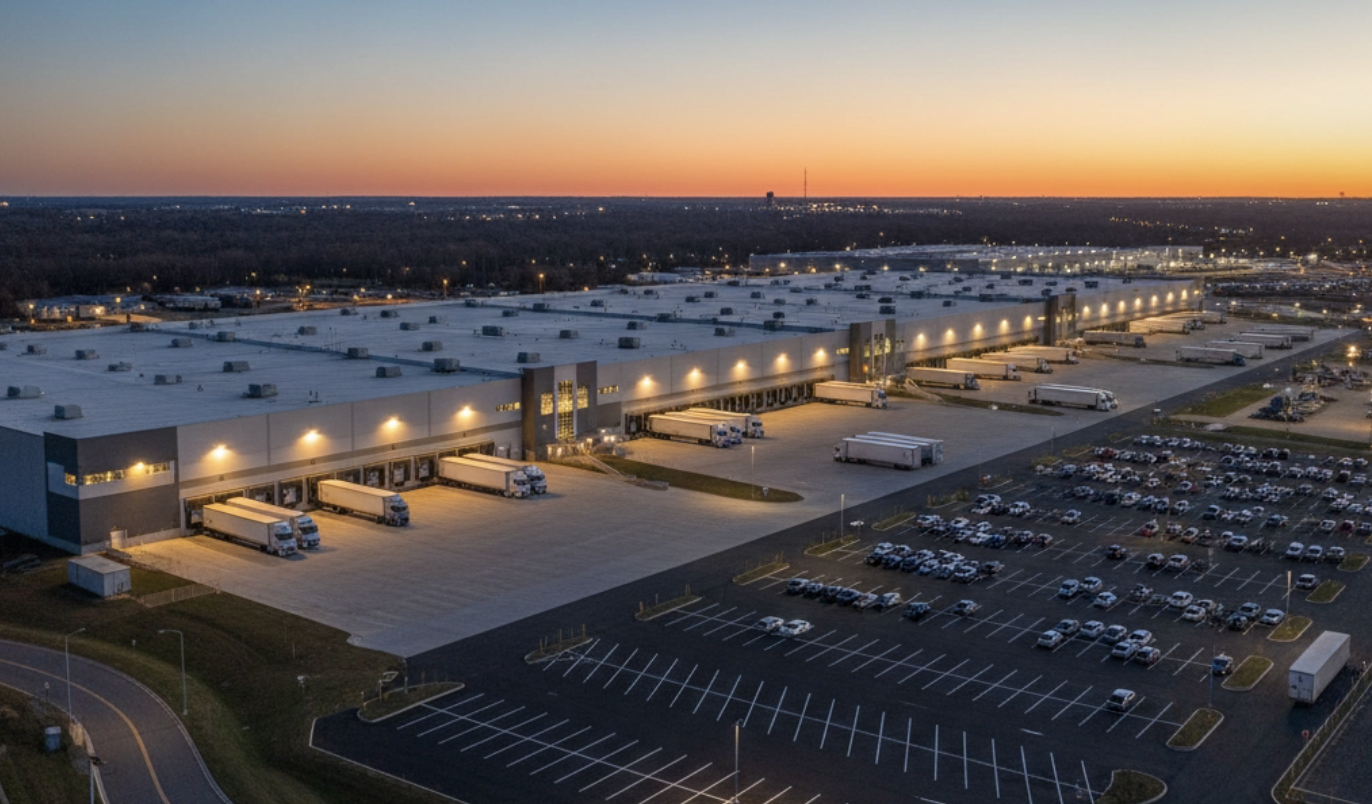
Consider: Near Westside, East Washington Street corridor, and areas surrounding new Amazon and logistics facilities.
Action item: Match property type to investment goals, time availability, and risk tolerance. Define specific criteria: property size, location, price range, minimum returns.
For a framework on choosing between property types, read Industrial vs. Multifamily vs. Retail: Which Commercial Property Type Is Better for Your First Investment.
Step 5: Take Action with Expert Support
Analysis without action builds nothing. The final step: move forward.
Build Your Team
Commercial real estate transactions require specialized expertise. Assemble professionals who understand Indianapolis markets and work with first-time investors:
- Commercial real estate broker
- Commercial lender
- Real estate attorney
- Property inspector (commercial-certified)
- CPA with real estate experience

Set a Timeline
Vague intentions produce vague results. Establish concrete milestones:
- Week 1-2: Complete financial assessment and credit review
- Week 3-4: Meet with lenders, obtain pre-qualification
- Week 5-8: Market research and property tours
- Week 9-12: Identify target properties, make offers
- Week 13-16: Due diligence, closing, ownership
Start Where You Are
First investments rarely match the ideal scenario. Waiting for perfect conditions delays wealth-building. A solid duplex in a stable Indianapolis neighborhood builds more wealth than years of searching for the perfect deal.
The wealth gap closes through ownership. Every property acquired represents a step toward financial independence and generational wealth.
Moving Forward
Indianapolis commercial real estate: office, retail, and multifamily: offers accessible entry points for first-time investors ready to build wealth in 2026. The five steps outlined here work because they combine thorough preparation with decisive action.
Financial assessment. Market knowledge. Financing. Property selection. Action.
For personalized guidance on Indianapolis commercial real estate investment, connect with professionals who understand these markets and prioritize investor success. Explore services designed to support first-time investors through every step of the process.
The opportunity exists. The market favors prepared investors. The next move belongs to you.