

Choosing the right commercial property type determines investment success. First-time investors in Indianapolis face three primary options: multifamily, industrial, and retail properties. Office space in Indianapolis is also a relevant choice for owner-users and investors. Each category offers distinct advantages, risks, and management requirements aimed at Indianapolis wealth-building and empowering women and minority investors.
Understanding Multifamily Properties in Indianapolis
Multifamily properties in Indianapolis house multiple residential units under single ownership. These investments range from small apartment buildings to large complexes with hundreds of units across Indianapolis neighborhoods.
Core Advantages
Cash Flow Stability drives multifamily appeal. Multiple tenants generate diversified income streams, reducing vacancy risk compared to single-tenant properties. Monthly rental payments provide consistent revenue regardless of economic fluctuations.
Forced Appreciation sets multifamily apart from other commercial investments. Property values increase through rent raises, expense reductions, and unit improvements. Investors control value enhancement rather than depending solely on market conditions. Common Indianapolis multifamily value-add tactics include rent optimization and targeted renovations.
Tax Benefits maximize returns through depreciation deductions, mortgage interest write-offs, and operational expense deductions. These advantages significantly reduce taxable income from rental operations.

Investment Requirements
Capital Range for multifamily investments typically spans $50,000 to multiple million depending on the cost of the asset. This sweet spot avoids oversaturated luxury markets while maintaining sufficient scale for commercial financing options.
Management Intensity requires active involvement in tenant relations, maintenance coordination, and lease administration. Higher tenant turnover creates ongoing marketing and screening responsibilities.
Risk Factors
Market Competition from new developments can impact existing properties. Modern amenities in competing buildings may attract tenants, affecting occupancy rates and rental pricing power.
Tenant Management involves dealing with residential issues, late payments, and property damage. Multiple relationships require ongoing attention and conflict resolution skills.
Evaluating Industrial Properties in Indianapolis
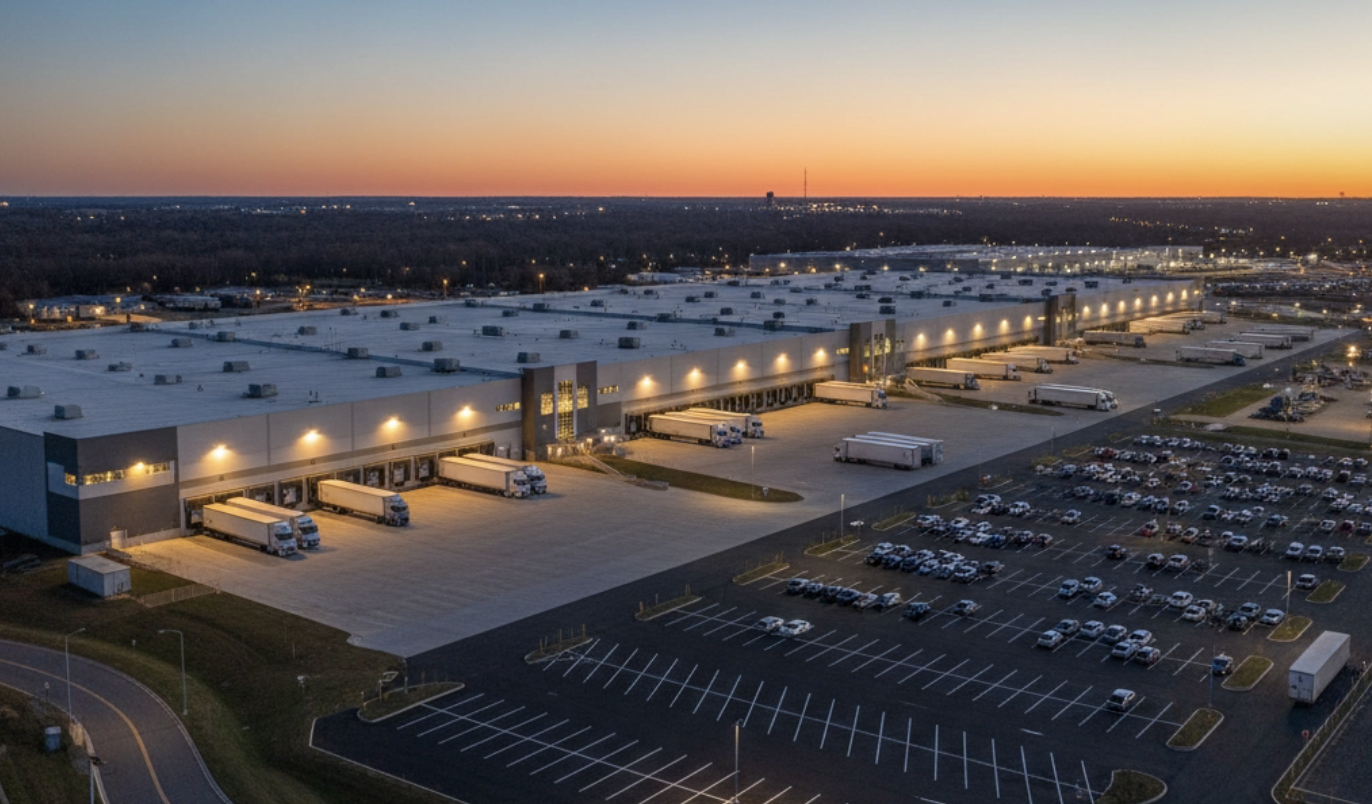
Industrial real estate in Indianapolis serves manufacturing, warehousing, and distribution operations. Properties range from small flex spaces to massive regional distribution centers serving major logistics companies.
Investment Benefits
Long-Term Stability characterizes industrial investments. Tenants typically sign extended leases spanning 5-15 years, providing predictable income streams with built-in escalations.
Low Management Requirements minimize ongoing involvement. Industrial tenants handle most maintenance responsibilities, while landlords focus on structural and exterior maintenance only.
Essential Services support critical supply chain operations. Companies like UPS, FedEx, and Amazon require consistent warehouse space regardless of economic conditions.

Market Dynamics
E-commerce Growth drives demand for distribution facilities near population centers. Online shopping trends create sustained need for last-mile delivery infrastructure.
Lease Structures often include triple-net arrangements where tenants pay property taxes, insurance, and maintenance costs. This structure reduces landlord expenses and simplifies cash flow projections.
Investment Considerations
Higher Capital Requirements typically exceed multifamily investments. Industrial properties often require larger down payments and more substantial initial investments.
Location Dependency affects property performance. In Indianapolis, proximity to interstates, air cargo, and major highways determines tenant desirability and rental rates.
Analyzing Retail Properties in Indianapolis
Retail real estate in Indianapolis includes shopping centers, strip malls, and standalone stores. These properties serve businesses selling directly to consumers through physical locations.
Structural Advantages
Triple-Net Leases transfer operating expenses to tenants in many Indianapolis retail centers. Property taxes, insurance, and maintenance costs become tenant responsibilities, creating passive income for property owners.
Diverse Tenant Options allow flexible leasing strategies. Indianapolis strip centers accommodate various business types from local services to national restaurant chains.
Location Premium in high-traffic areas generates superior rental rates. Properties near major intersections or shopping destinations command higher rents per square foot.

Performance Factors
Consumer Spending directly impacts retail tenant success. Economic downturns affect discretionary spending, potentially leading to tenant failures and vacancy increases.
Foot Traffic determines tenant viability. Declining visitor counts hurt retail businesses, affecting their ability to pay rent and renew leases.
Investment Challenges
E-commerce Competition threatens traditional retail spaces. Online shopping reduces demand for physical retail locations across multiple categories.
Tenant Credit Risk varies significantly among retail businesses. Local operators present higher default risk compared to established franchises or national chains.
Comparative Investment Analysis
| Factor | Multifamily | Industrial | Retail |
|---|---|---|---|
| Entry Difficulty | Beginner-Friendly | Moderate | Advanced |
| Management Time | High | Low | Moderate |
| Income Stability | Good | Excellent | Variable |
| Capital Requirements | $50K-$5M | $1M+ | $300K-$10M |
| Tenant Turnover | Moderate-High | Very Low | Low-Moderate |
| Economic Sensitivity | Low | Very Low | High |
| Appreciation Potential | High | Moderate | Variable |
Note: Indianapolis office properties vary by submarket; underwriting should account for tenant demand, lease terms, and build-out costs.
First-Time Investor Recommendations
Multifamily Properties
Best For: Investors with residential experience seeking hands-on involvement. The familiar tenant base and multiple value-creation strategies make multifamily ideal for active investors building commercial experience.
Financing Options remain accessible through conventional lenders. Banks understand residential rental markets, facilitating loan approval processes for qualified borrowers.
Industrial Properties
Best For: Passive investors prioritizing stability over growth. Long-term leases and minimal management requirements suit investors seeking consistent returns without active involvement.
Market Entry typically requires larger capital commitments but offers superior cash flow stability and tenant retention rates.
Retail Properties
Best For: Experienced investors understanding local markets and consumer trends. Success requires careful tenant selection and market analysis skills.
Risk Management demands thorough due diligence on tenant creditworthiness and location demographics before investment commitments.
Decision Framework
Investment Goals determine optimal property selection. Growth-focused investors favor multifamily properties offering forced appreciation opportunities. Income-focused investors prefer industrial properties providing stable cash flows.
Risk Tolerance influences property type selection. Conservative investors choose industrial properties for predictable performance. Growth-oriented investors select multifamily properties despite higher management requirements.
Available Capital affects accessible investment options. Smaller budgets favor multifamily properties in secondary markets. Larger capital pools enable industrial property investments in primary markets.
Time Commitment varies significantly across property types. Multifamily investments require substantial ongoing management. Industrial properties operate with minimal landlord involvement.

Market Timing Considerations
Interest Rate Environment affects all commercial property types differently. Rising rates impact multifamily properties more than industrial properties with longer lease terms.
Economic Cycles influence property performance patterns. Industrial properties demonstrate superior recession resistance compared to retail properties dependent on consumer spending.
Regional Factors in Indianapolis determine local investment opportunities. Growing metropolitan areas favor multifamily investments. Transportation corridors around Indianapolis support industrial property demand. Retail and office performance varies by submarket and foot traffic patterns.
Ready to explore Indianapolis commercial real estate investment opportunities? Contact our team for personalized strategies for wealth-building, including women and minority investors.
Strategic property selection sets the foundation for commercial real estate success. Understanding each property type’s characteristics enables informed investment decisions aligned with financial objectives and management capabilities.